
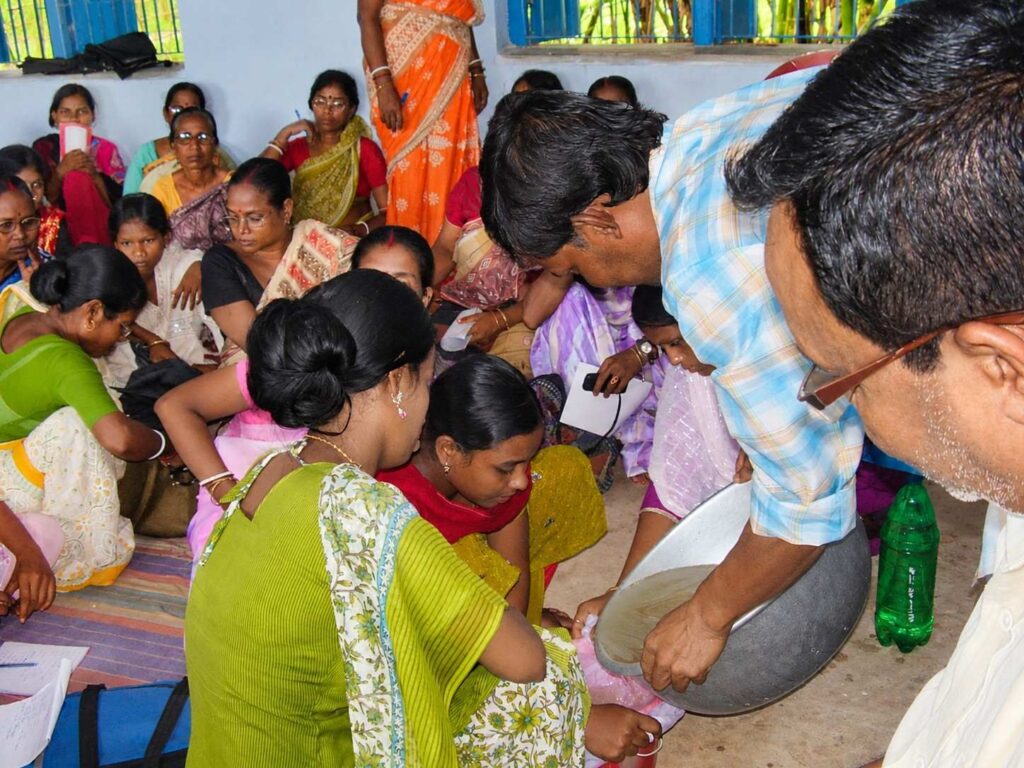
Practical skills can open new doors for women who want to explore opportunities beyond traditional occupations. In rural communities, vocational training can help women gain useful knowledge, develop their abilities, and consider ways to contribute to their household income. Access to appropriate training is an important step towards expanding these opportunities.
New Life Fellowship Society organized a six-month Women’s Jam and Jelly-Making Training Programme in 2025 for 70 women aged 20–35 across six villages in Falta Block, South 24 Parganas, West Bengal. Madhubati Village was one of the locations within the programme’s wider geographical coverage.
The programme focused on jam and jelly preparation, food hygiene and safety, packaging and preservation, small business management, and pricing and cost calculation. By combining practical food-processing skills with basic business knowledge, the initiative aimed to help women explore potential livelihood opportunities and consider small-scale entrepreneurship.
About the Women’s Jam and Jelly-Making Training Programme
The Women’s Jam and Jelly-Making Training Programme was organized to provide women with vocational learning opportunities in food processing. Conducted over six months in 2025, the initiative covered six villages in Falta Block and involved 70 women between the ages of 20 and 35.
Food processing can be an interesting area of vocational learning because it combines practical preparation techniques with knowledge of food safety, packaging, and preservation. For women interested in exploring small-scale production, jam and jelly-making may offer a starting point for learning how food products can be prepared for household use or potential sale.
However, developing a successful food-related business requires more than preparation skills alone. Product quality, safe handling, suitable packaging, production costs, customer demand, and access to markets are all important considerations. The programme’s combination of technical and business-related training addressed several foundational areas relevant to these potential opportunities.
Developing Practical Food-Processing Skills
Jam and Jelly Preparation
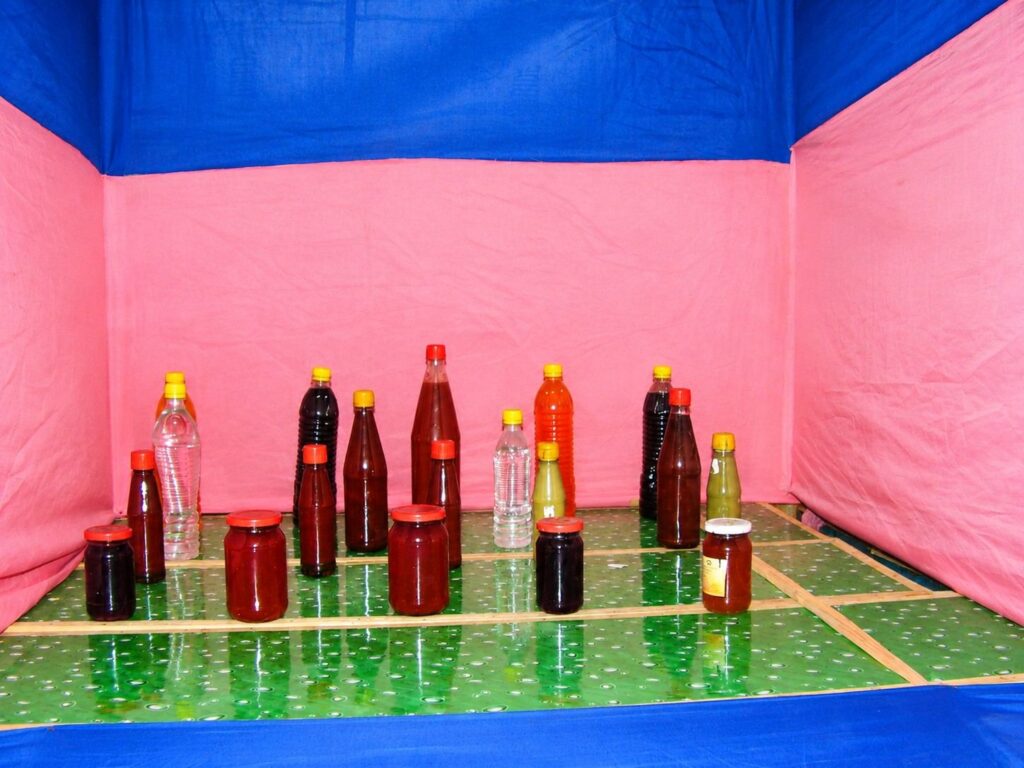
Learning how to prepare jam and jelly was a central part of the programme. Appropriate preparation methods, suitable recipes, and consistent processing techniques are important when producing food products of acceptable quality.
Developing these skills may help women understand the basic requirements of food processing and explore how the knowledge could be applied in different settings. Continued practice and appropriate technical guidance can further develop these abilities.
For women considering future entrepreneurship, learning about jam and jelly preparation may provide an initial foundation for exploring small-scale food production, depending on their interests, available resources, and local opportunities.
Food Hygiene and Safety
Food hygiene and safety are essential whenever food is prepared for consumption. Clean working areas, hygienic equipment, safe ingredient handling, and appropriate food-preparation practices can help reduce contamination risks.
Understanding these principles is important for anyone interested in preparing food products for household use or potential commercial sale. Following appropriate hygiene practices and applicable food-safety guidance can help protect consumers and support responsible production.
For aspiring food entrepreneurs, knowledge of food safety is also an important consideration when assessing the requirements of producing and selling food products.
Packaging and Preservation
Packaging and preservation are important for maintaining food quality and protecting products during storage and handling. Suitable containers, appropriate storage conditions, and effective preservation methods can influence product safety and quality.
The programme included packaging and preservation among its training areas. This knowledge may help women understand the importance of handling food products carefully and considering their storage requirements.
Anyone planning to sell jam or jelly would also need to consider appropriate packaging, product labelling, and applicable food-safety regulations. These measures can contribute to responsible production and help consumers make informed choices.
Learning Business Management and Product Pricing
Practical skills can become more useful when combined with an understanding of basic business principles. For anyone considering small-scale food production, knowing how to calculate costs and determine prices is an important part of planning.
The Women’s Jam and Jelly-Making Training Programme included small business management, pricing, and cost calculation. These topics are relevant to understanding expenses such as ingredients, packaging materials, fuel, and other production costs.
Calculating expenses can help aspiring entrepreneurs estimate how much it costs to produce a product and consider an appropriate selling price. Business planning also involves assessing customer demand, understanding local competition, and considering whether potential sales could cover production expenses.
For women interested in exploring entrepreneurship, these concepts may provide a starting point for making informed decisions. Nevertheless, training alone does not guarantee business success or income. Further experience, access to resources, product quality, and an understanding of local market conditions remain important.
Women’s Empowerment Through Vocational Training
Vocational training can create opportunities for women to develop practical skills and explore different livelihood options. Community-based programmes are particularly valuable when they make learning opportunities accessible to people within their own communities.
By organizing the training across six villages in Falta Block, New Life Fellowship Society provided an opportunity for 70 women aged 20–35 to engage with food-processing and business-related learning.
The programme’s focus extended beyond preparation techniques to include hygiene, packaging, preservation, and basic business management. This combination highlights the importance of understanding both how a product is prepared and what may be involved in producing it for potential customers.
Such training may help women identify areas for further learning and consider whether food processing could become part of their future livelihood plans. The long-term value of these opportunities depends on individual circumstances, continued practice, access to suitable materials, and the availability of appropriate guidance and markets.
Programme Overview
| Programme Detail | Information |
|---|---|
| Programme Name | Women’s Jam and Jelly-Making Training Programme |
| Year | 2025 |
| Duration | Six months |
| Location | Six villages in Falta Block, South 24 Parganas, West Bengal |
| Specified Village | Madhubati Village |
| Total Participants | 70 women |
| Age Group | 20–35 years |
| Organized By | New Life Fellowship Society |
| Training Areas | Food processing, hygiene and safety, packaging and preservation, business management, and cost calculation |
Exploring Future Livelihood Opportunities
The skills covered by the programme may provide a foundation for women interested in exploring small-scale food processing. Turning these skills into a livelihood, however, requires careful planning and an understanding of local opportunities.
Possible next steps include continued practice, maintaining food hygiene, understanding preservation requirements, calculating production costs, and selecting suitable packaging. Women interested in selling their products could also research customer preferences and assess potential demand before investing in production.
Local shops, community fairs, and self-help group networks may be possible avenues to explore, depending on availability and local requirements. These are potential opportunities rather than confirmed services provided through the programme.
Commercial food production and sales must also meet applicable food-safety, registration, labelling, and business requirements. Access to resources, further guidance, and suitable markets may influence whether women can turn their skills into sustainable livelihood activities.
The Role of New Life Fellowship Society
New Life Fellowship Society organized the Women’s Jam and Jelly-Making Training Programme as part of its community-based skills-development activities. The initiative focused on providing women with practical knowledge that may be useful when exploring vocational and livelihood opportunities.
By bringing skills development into local communities, the organization aimed to create opportunities for women to learn about food processing and basic business principles. Initiatives of this kind can provide a starting point for further learning and help participants consider how their knowledge might be applied in everyday life or future enterprise activities.
Support Women’s Skill Development
Join New Life Fellowship Society in creating more opportunities for women through vocational training and livelihood development. We welcome individuals, organizations, and CSR partners to support or collaborate with us as we expand these initiatives. Together, we can help build stronger, more empowered communities.