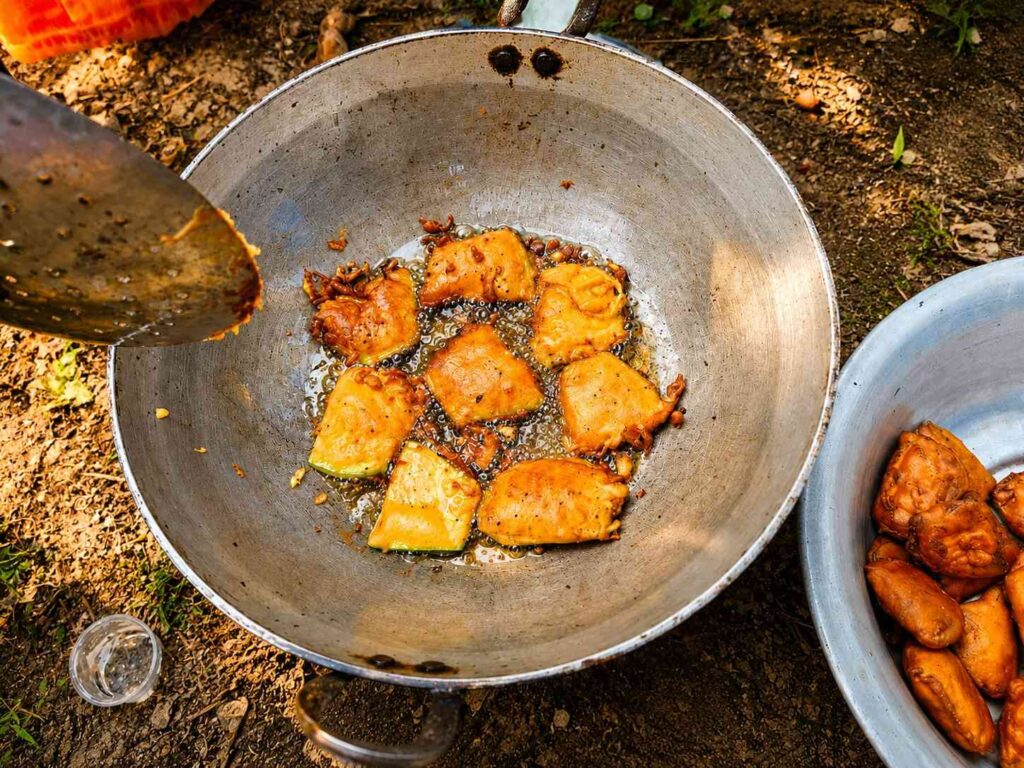
snacks making by New Life Fellowship Society's education and community development programs in West Bengal, India.

Empowering Rural Women Through Traditional Snack-Making Training in West Bengal

Women Empowerment Through Snack Making Training in West Bengal

Sometimes, meaningful change begins with something very simple.

Women Empowerment Through Snack Making Training in West Bengal is more than teaching women how to prepare traditional snacks. It is about creating opportunities and helping women discover that they can build a better future with the skills they already have.

In many villages across West Bengal, countless women are hardworking and talented. They manage their homes, care for their children, and support their families every day. Yet many of them have limited opportunities to earn an income because vocational training and employment options are often unavailable in rural areas.

Recognizing this need, New Life Fellowship Society successfully organized a free six-month snack making and entrepreneurship training programme in Madhubati Village, Falta Block, South 24 Parganas, West Bengal. The project was designed especially for women between 20 and 35 years of age, giving them practical skills that could be transformed into sustainable sources of income.

Looking back today, it is clear that this project became much more than a training programme. It became a story of courage, learning, friendship, and hope.

Table of Contents

  1. Why Women Empowerment Through Snack Making Training in West Bengal Matters
  2. A Six-Month Journey of Learning and Growth
  3. More Than Cooking: Learning Business Skills
  4. From Training to Income Generation
  5. Creating Lasting Community Impact
  6. Looking Ahead
  7. How You Can Support Future Initiatives
  8. Frequently Asked Questions

Why Women Empowerment Through Snack Making Training in West Bengal Matters

When a woman becomes financially independent, the benefits rarely stop with her.

Her children receive better care. Families become more secure. Young girls begin to see new possibilities for their own future. Even small increases in household income can improve education, nutrition, and overall quality of life.

That is why livelihood programmes focused on women are so important. They don’t simply teach a skill; they create opportunities that can continue for years.

Traditional snack making is particularly suitable for rural communities because it requires relatively low investment, uses locally available ingredients, and allows women to work from home while managing family responsibilities. These small businesses may begin with only a few products, but over time they often grow into reliable sources of income.

This belief inspired New Life Fellowship Society to launch a training programme that combined practical food production with entrepreneurship education, ensuring that participants could not only make quality products but also understand how to sell them successfully.

A Six-Month Journey of Learning and Growth

The training programme was conducted over a period of six months and was offered completely free of cost.

Forty women from Madhubati Village and nearby communities in Falta Block joined the programme with different levels of experience. Some already knew how to prepare traditional snacks at home, while others were learning these techniques for the very first time.

From the first week, the atmosphere was filled with enthusiasm. Participants learned together, shared ideas, asked questions, and encouraged one another throughout the programme. There were days when recipes didn’t turn out perfectly, and that was part of the learning process. Every mistake became another lesson, and every improvement built greater confidence.

During the training, participants learned to prepare a wide variety of traditional food products, including:

  • Chanachur
  • Nimki
  • Jhuribhaja
  • Papad
  • Pickles
  • Homemade Masala Products
  • Traditional Sweets
  • Other locally popular snacks

Each product was prepared using practical demonstrations, allowing every participant to develop the confidence needed to produce high-quality snacks suitable for commercial sale.

By the end of the six months, many women who had never imagined running a small business had developed the skills and confidence to take the first step.

More Than Cooking: Women Empowerment Through Snack Making Training in West Bengal

One of the biggest strengths of this project was that it went beyond food preparation.

Making delicious snacks is only one part of building a successful business. Understanding how to present, price, and market those products is equally important.

For this reason, every participant also received practical training in entrepreneurship and small business management.

The programme covered:

Packaging

Women learned simple yet attractive packaging methods that improved product quality while making their snacks more appealing to customers. They also discovered affordable ways to package products without increasing production costs unnecessarily.

Hygiene and Food Safety

Maintaining cleanliness and food safety standards was given special attention throughout the programme. Participants learned proper food handling practices that help build customer confidence and improve product quality.

Branding

Many participants had never considered creating a brand for their products. During the training, they learned how product names, labels, and attractive packaging could help their snacks stand out in local markets.

Pricing and Cost Management

Setting the right price is often one of the most challenging parts of running a small business.

Participants learned how to calculate production costs, estimate profits, and set fair prices that would allow their businesses to remain sustainable over time.

Marketing

Women also explored practical ways to reach customers by selling through neighbourhood markets, exhibitions, local fairs, community events, and nearby retail shops.

Perhaps most importantly, they learned that good products deserve good presentation. Sometimes it wasn’t about making a different snack; it was simply about presenting the same snack in a way that customers would trust and remember.

From Training to Income Generation

Completing the training was an important milestone, but it wasn’t the finish line.

One of the biggest challenges many vocational training programmes face is what happens after participants receive their certificates. Without access to customers or markets, even the most talented individuals can struggle to turn their new skills into a sustainable source of income.

New Life Fellowship Society wanted this programme to be different.

After the six-month training was completed, we continued supporting participants as they took their first steps into entrepreneurship. Women were encouraged to work together, exchange ideas, and build confidence while introducing their products to the local market.

Several participants were connected with nearby retail shops, while others received opportunities to display their products during community fairs and exhibitions. The organization also helped women set up market stalls where they could sell their handmade snacks directly to customers.

These opportunities were more than sales events. They allowed the women to interact with buyers, understand customer preferences, receive feedback, and experience what it feels like to run a small business.

For many participants, it was the very first time someone had paid for a product they had made with their own hands. That moment brought not only income but also a renewed sense of confidence and self-worth.

Successful & Inspiring Women Empowerment Through Snack Making Training in West Bengal | New Life Fellowship Society

The Impact of Women Empowerment Through Snack Making Training in West Bengal

Every successful community project should be measured not only by the number of activities completed but by the lives it touches.

This project produced encouraging results that continue to inspire us.

Project Highlights

  • Project Duration: 6 Months
  • Location: Madhubati Village, Falta Block, South 24 Parganas, West Bengal
  • Training Cost: Completely Free
  • Women Trained: 40
  • Women Who Started Small Businesses: 10
  • Age Group: 20-35 Years
  • Business Skills Covered: Packaging, Hygiene, Branding, Pricing, and Marketing
  • Market Support: Local stalls, fairs, exhibitions, and shop linkages
  • Community Support: Encouragement to form Self-Help Groups (SHGs)

While these numbers are encouraging, they tell only part of the story.

Behind every statistic is a woman who discovered new confidence. Someone who learned that she could contribute financially to her family. Someone who realized that starting a business was not just a dream but a realistic possibility.

Those personal transformations are the true success of this project.

A Proud Moment at the Community Exhibition

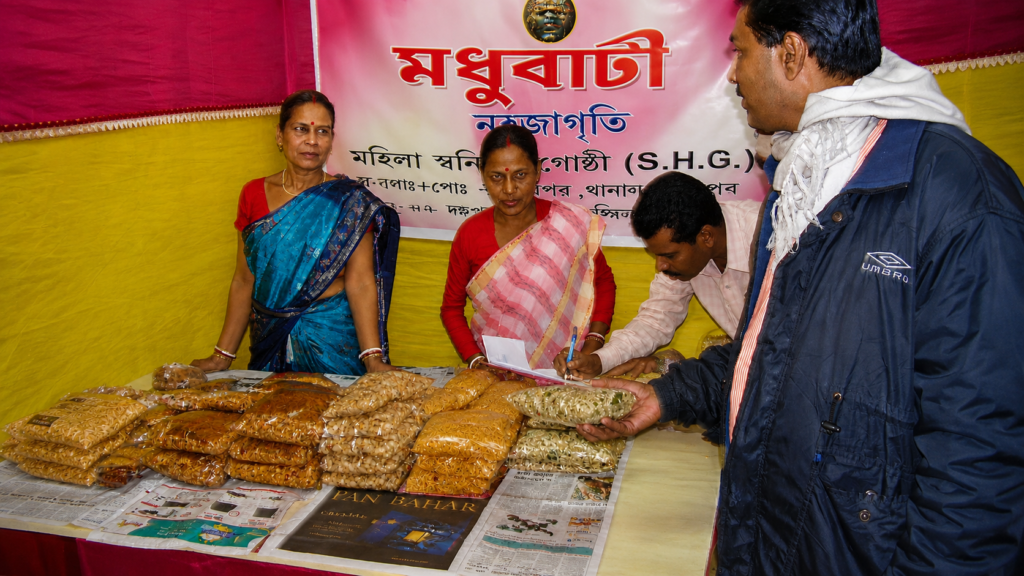
One of the most memorable moments came when participants displayed and sold their handmade products at a community exhibition.

The stall was filled with carefully packed Chanachur, Nimki, Jhuribhaja, Pickles, Masala products, and other traditional snacks. Visitors stopped to taste the products, ask questions, and purchase them. The atmosphere was filled with excitement, encouragement, and a sense of achievement.

For many of the women, this was their first experience selling products directly to customers.

Watching people appreciate their work and willingly buy their products was a powerful reminder that their skills had real value.

The exhibition also gave participants practical experience in customer interaction, product presentation, pricing, and sales lessons that cannot always be taught in a classroom.

Looking at the smiles on their faces, it was clear that the programme had achieved something much deeper than vocational training. It had helped women believe in their own abilities.

Why Small Snack Businesses Create Lasting Change

Traditional snack-making may seem like a small business, but its impact can be significant.

Unlike many businesses that require expensive machinery or large investments, snack production can begin from home using simple equipment and locally available ingredients.

This makes it especially suitable for rural women who wish to earn an income while continuing to care for their families.

Products such as Chanachur, Nimki, Papad, Pickles, and homemade Masala are already familiar to customers across West Bengal. Because demand exists throughout the year, these businesses have the potential to generate a steady source of income when quality and consistency are maintained.

As one business grows, others are inspired to begin their own journey. Knowledge is shared, confidence spreads, and communities become stronger together.

Building Stronger Communities Together

The impact of Women Empowerment Through Snack Making Training in West Bengal extends far beyond the women who participated in the programme.

When a mother earns an income, children often benefit through improved nutrition, better educational opportunities, and greater financial stability at home.

Neighbours begin asking questions about how they can learn similar skills. Self-Help Groups become stronger as women encourage and support one another. Local markets benefit from new entrepreneurs who contribute to the rural economy.

This ripple effect is one of the most rewarding outcomes of community development. A single opportunity can influence many lives.

Looking Ahead

Although this particular training programme has now been successfully completed, its impact continues through the women who are applying the skills they learned.

New Life Fellowship Society remains committed to creating opportunities that promote self-reliance, dignity, and sustainable livelihoods in rural communities.

In the coming years, we hope to organize more skill development initiatives, strengthen partnerships with local communities, and help even more women discover their potential through practical vocational training.

Every completed project becomes a foundation for the next one.

How You Can Support Future Women Empowerment Initiatives

Creating lasting change is a shared responsibility.

If this story has inspired you, there are many ways you can help us reach more women and more communities across West Bengal.

You can support our work by:

Every contribution, whether large or small, helps create opportunities for women to build confidence, start businesses, and support their families with dignity.

Together, we can continue building stronger families, stronger communities, and a brighter future for rural women.

Continue Reading

To learn more about the mission and community development initiatives of New Life Fellowship Society, visit our About Us, Our Programmes, and Contact Us pages.

You can also explore our other articles on women’s empowerment, rural livelihood development, education, and community transformation to see how practical initiatives are creating lasting change across South 24 Parganas and beyond.

Frequently Asked Questions (FAQs)

Is the Women Empowerment Through Snack Making Training in West Bengal programme free?

Yes. The programme was conducted completely free of cost by New Life Fellowship Society. Women did not have to pay any training fees, allowing participants from economically disadvantaged backgrounds to learn valuable livelihood skills without financial barriers.

Who participated in the training programme?

The project was designed for women between 20 and 35 years of age. The aim was to equip rural women with practical skills that could help them generate sustainable income.

What products were taught during the training?

Participants learned to prepare a variety of traditional snacks and food products, including:

  • Chanachur
  • Nimki
  • Jhuribhaja
  • Papad
  • Pickles
  • Homemade Masala Products
  • Traditional Sweets
  • Other locally popular snacks

The programme also included practical lessons on packaging, branding, hygiene, pricing, and marketing.

What support did women receive after completing the training?

New Life Fellowship Society continued supporting participants even after the training ended by helping them:

  • Display products through community market stalls.
  • Participate in local fairs and exhibitions.
  • Connect with nearby retail shops.
  • Form and strengthen Self-Help Groups (SHGs).
  • Develop confidence as first-time entrepreneurs.

This post-training support helped many women begin their own income-generating activities.

What impact did the project create?

The programme successfully achieved several encouraging outcomes.

  • 40 women completed the six-month training programme.
  • 10 women started their own small businesses.
  • Participants gained practical entrepreneurial skills alongside food production techniques.
  • Families benefited from additional income opportunities.
  • Local communities witnessed increased confidence and collaboration among women.

These achievements demonstrate how practical vocational training can create lasting social and economic impact.

Can organizations or individuals support similar future programmes?

Yes.

Although this project has been successfully completed, New Life Fellowship Society continues working to create livelihood opportunities for rural communities.

Individuals, companies, CSR partners, volunteers, and donors are welcome to support future initiatives that promote skill development, women’s entrepreneurship, education, and sustainable community development.

Leave a Comment

Your email address will not be published. Required fields are marked *