Youth Capacity Building and Life Skills Training in West Bengal

Empowering Rural Youth Through Capacity Building and Life Skills Training in West Bengal

Youth Capacity Building and Life Skills Training in West Bengal begins with helping young people discover their potential before life’s challenges limit their opportunities.

In 2016, many adolescents in Madhubati Village, Falta Block, South 24 Parganas were growing up with limited access to leadership training, career guidance, and reliable information about child rights, health, and life skills. While schools provided formal education, there were very few opportunities for young people to develop the confidence and practical knowledge needed to become leaders in their communities.

To respond to this need, New Life Fellowship Society, in collaboration with Child in Need Institute (CINI), DFID, and Interact Worldwide, organized a six-month Youth Capacity Building Programme from January to July 2016. The programme brought together 50 young participants and created a safe, interactive space where they could learn, ask questions, build leadership skills, and prepare for a brighter future.

By the end of the programme, 10 peer leaders had emerged, 10 community awareness campaigns had been conducted, and nearly 500 community members had been reached through youth-led activities.

Table of Contents

  1. Why Rural Youth Need Capacity Building
  2. About the Six-Month Youth Capacity Building Programme
  3. Building Future Leaders Through Life Skills
  4. Protecting Children Through Awareness and Education
  5. Promoting Healthy and Responsible Choices
  6. Learning Through Interactive Community Activities
  7. Programme Outcomes and Community Impact
  8. Our Development Partners
  9. How You Can Support Future Youth Programmes
  10. Frequently Asked Questions

Why Rural Youth Need Capacity Building

Young people have enormous potential, but potential alone is not enough.

Many adolescents in rural communities grow up without opportunities to develop leadership abilities, communication skills, or confidence. At the same time, they often face social challenges such as child marriage, gender discrimination, misinformation about health, and limited access to career guidance.

Without the right support, these issues can affect not only individual lives but also the long-term development of entire communities.

Capacity-building programmes help bridge this gap by providing practical knowledge alongside personal development. They encourage young people to think critically, communicate effectively, make informed decisions, and become active members of their communities.

Rather than simply delivering information, these programmes inspire young people to become problem-solvers and leaders who can influence positive change around them.

This belief formed the foundation of our Youth Capacity Building Programme.

About the Six-Month Youth Capacity Building Programme

From January to July 2016, New Life Fellowship Society organized a comprehensive youth development programme designed to strengthen leadership, life skills, and social awareness among rural adolescents.

The programme welcomed 50 participants from Madhubati Village and surrounding communities in Falta Block, South 24 Parganas.

The group included:

  • 50 participants
  • 30 boys
  • 20 girls
  • Age group: 13-24 years

Instead of relying only on classroom-style teaching, the programme encouraged active participation. Young people learned by discussing real-life situations, working together in teams, participating in role plays, solving practical problems, and sharing their own experiences.

This interactive approach created an environment where every participant felt encouraged to ask questions, express opinions, and learn from one another.

Throughout the six months, the programme focused on developing both practical knowledge and personal confidence.

More Than Training: Building Confident Young Leaders

One of the programme’s greatest strengths was its holistic approach.

Rather than concentrating on a single topic, the training addressed many of the challenges that rural adolescents commonly face.

Participants received practical sessions covering:

Leadership Development

Young people learned how effective leaders communicate, solve problems, work in teams, and inspire others. Many participants who were initially hesitant gradually gained confidence to speak in front of groups and lead community activities.

Communication Skills

Interactive discussions helped participants improve public speaking, active listening, teamwork, and respectful communication skills that benefit them in school, work, and everyday life.

Decision-Making and Life Skills

Through real-life examples and group exercises, participants practiced making informed decisions, managing emotions, resolving conflicts peacefully, and responding responsibly to difficult situations.

These life skills prepared young people not only for employment opportunities but also for the responsibilities of adulthood.

Creating Awareness That Protects Young Lives

Another important goal of the programme was to help young people understand their rights, responsibilities, and the importance of making informed choices.

Special awareness sessions focused on:

Child Rights

Participants learned about the rights of every child to protection, education, health, and dignity. They also discussed how communities can work together to prevent abuse, neglect, and exploitation.

Childline 1098 Awareness

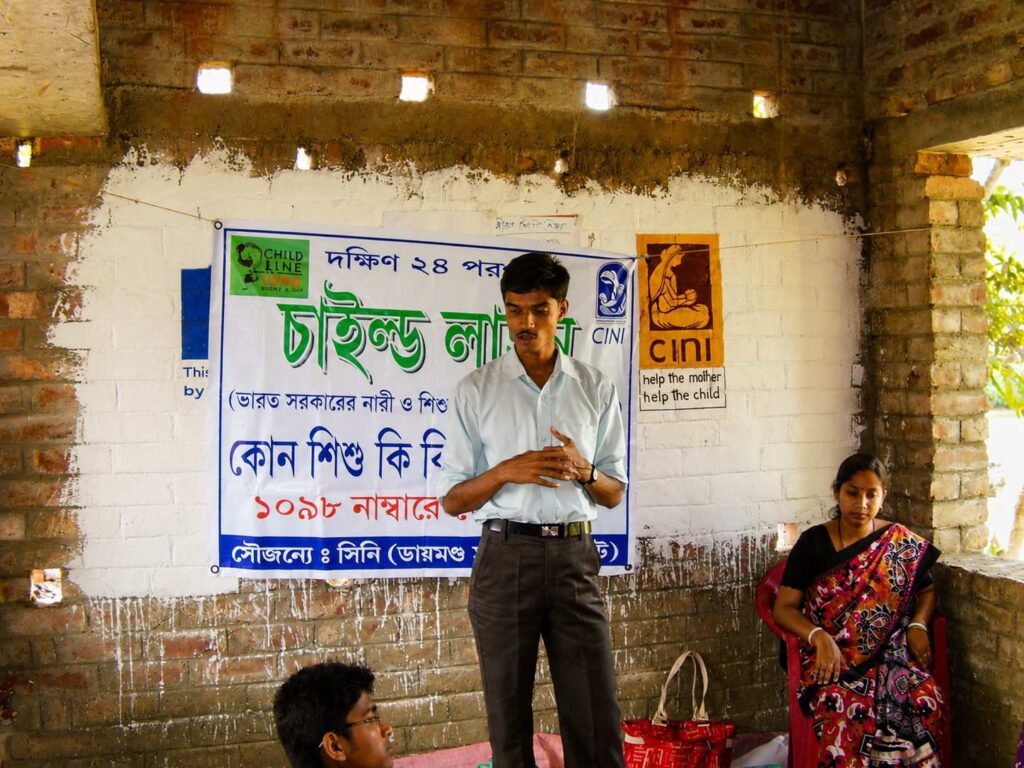
One of the most practical sessions introduced participants to Childline 1098, India’s emergency helpline for children in need of care and protection.

Young people learned:

  • When to call Childline 1098
  • How children can seek help safely
  • How community members can report children at risk
  • Why early reporting can save lives

Awareness materials, posters, and community discussions helped spread this information beyond the training venue and into the wider community.

Learning Through Participation

The programme believed that young people learn best by doing rather than simply listening.

Throughout the six months, participants actively engaged in:

  • Interactive workshops
  • Group discussions
  • Awareness rallies
  • Poster campaigns
  • Street plays
  • Quiz competitions
  • Role plays
  • Counselling sessions
  • Community meetings
  • Youth club activities
  • Team-building exercises

These activities made learning enjoyable while helping participants build confidence, creativity, and teamwork.

The workshops also encouraged friendships among participants from different backgrounds, creating a supportive network that continued even after the programme ended.

Suggested Featured Image

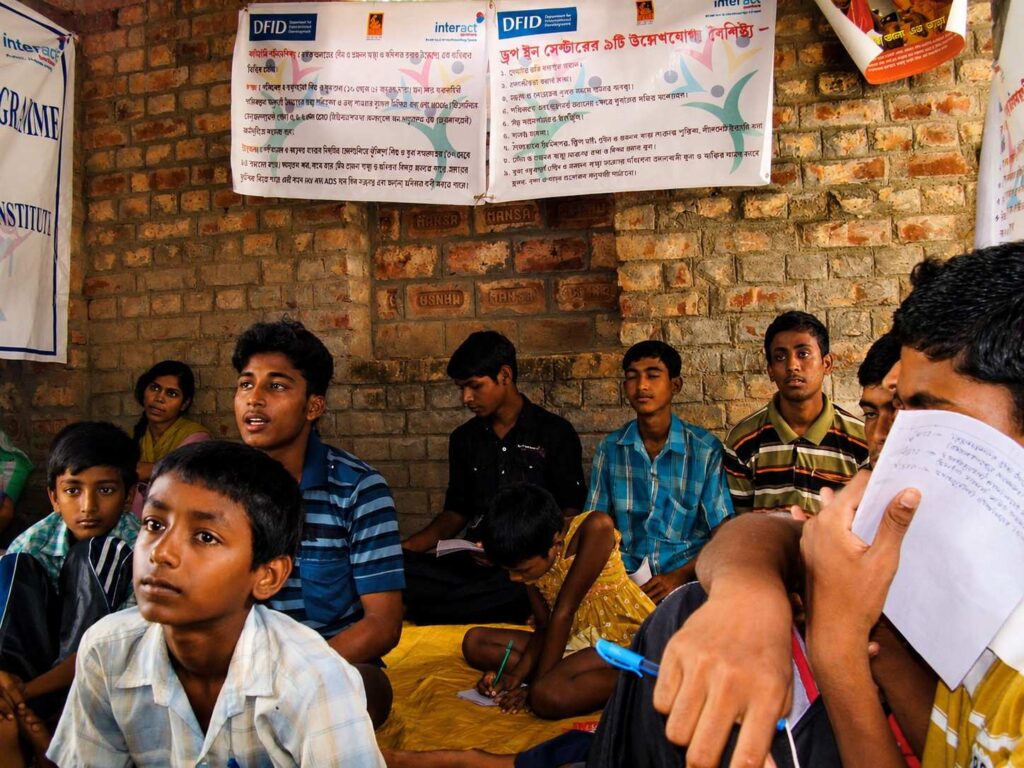
Use the photograph showing the Capacity Building Programme banner with participants attending the workshop. It immediately communicates the purpose of the article and includes visible evidence of the programme and its development partners.

Featured Image ALT Text

Empowering Rural Youth Through Capacity Building and Life Skills Training in West Bengal. Youth participants attending a six-month capacity building workshop in Madhubati Village, South 24 Parganas.

youth receiving support from New Life Fellowship Society

Building Future Leaders Through Knowledge and Confidence

One of the most rewarding aspects of this programme was watching young people discover confidence they didn’t know they had.

At the beginning of the training, many participants were hesitant to speak in front of others or share their opinions. As the months passed, group discussions, role plays, leadership exercises, and team activities encouraged them to become more active and confident.

The programme identified 10 promising participants as peer leaders. These young leaders received additional guidance and took responsibility for motivating their peers, leading discussions, and helping organize awareness activities within their communities.

By encouraging youth leadership, the programme created role models who could continue promoting positive values long after the training had ended.

Protecting Young People Through Child Rights Awareness

Every child deserves to grow up in a safe, supportive, and respectful environment.

Many rural families are unaware of the rights guaranteed to children or the services available to protect them. To address this, the programme included practical sessions on child rights and child protection.

Participants learned about:

  • The right to education
  • Protection from child labour and abuse
  • Equal opportunities for girls and boys
  • The importance of a safe family and community environment
  • How communities can respond when a child is at risk

These discussions encouraged young people to become advocates for children’s rights within their own villages. Instead of remaining silent when they witnessed injustice, participants were encouraged to seek help, share information, and support children in need.

Childline 1098: Giving Young People a Lifeline

One of the most practical parts of the programme focused on Childline 1098, India’s emergency helpline for children requiring care and protection.

Through posters, awareness sessions, and interactive discussions, participants learned:

  • When Childline 1098 should be used.
  • How children can seek immediate assistance.
  • Where to report abuse, neglect, trafficking, or exploitation.
  • How community members can help protect vulnerable children.

The awareness campaign extended beyond the training venue. Participants carried this knowledge back to their families, schools, and neighbourhoods, helping more people understand that support was available for children facing difficult situations.

The posters displayed during the programme became useful conversation starters, encouraging families and community members to discuss child protection openly.

Preventing Child Marriage Through Community Awareness

Child marriage remains a challenge in many rural communities, often affecting education, health, and future opportunities for young girls.

The programme addressed this issue through awareness sessions, poster campaigns, and community discussions that explained the social, educational, and health consequences of early marriage.

Participants explored topics such as:

  • The importance of completing education.
  • Physical and emotional well-being during adolescence.
  • Legal protections for children.
  • The long-term benefits of delaying marriage.
  • Building confidence to make informed life decisions.

These conversations encouraged young people and their families to view education and personal development as important foundations for the future.

Although it is difficult to measure every long-term outcome, the programme contributed to greater awareness within the community and helped promote positive attitudes toward protecting the rights and aspirations of adolescents.

Youth Capacity Building and Life Skills Training in West Bengal

Promoting Healthy and Responsible Choices

Growing up involves many physical, emotional, and social changes.

Without accurate information, young people often rely on myths or misinformation, which can affect their health and well-being.

To address this need, the programme included sessions on adolescent health and responsible decision-making.

Topics included:

  • Physical and emotional development during adolescence.
  • Personal hygiene and nutrition.
  • Mental well-being.
  • Reproductive health education.
  • HIV and AIDS awareness.
  • Healthy relationships.
  • Respect and personal responsibility.

The sessions were designed to provide factual, age-appropriate information in a respectful environment where participants felt comfortable asking questions.

Rather than creating fear or embarrassment, the programme encouraged understanding, confidence, and responsible behaviour.

Encouraging Gender Equality and Mutual Respect

Building strong communities requires equal opportunities for everyone.

The programme encouraged boys and girls to participate together in learning activities, discussions, and leadership exercises. This helped create an atmosphere of cooperation, respect, and shared responsibility.

Interactive activities challenged harmful stereotypes and encouraged participants to think about fairness, inclusion, and equal participation in community life.

By learning together, many participants developed a deeper appreciation for teamwork and mutual respect, values that continue to benefit families and communities.

Preparing Young People for the Future

Leadership alone is not enough. Young people also need practical skills that prepare them for everyday life and future employment.

The programme therefore introduced participants to several essential life skills, including:

Digital Literacy

Basic knowledge about technology and responsible use of digital resources helped participants understand how technology could support education, communication, and future career opportunities.

Financial Literacy

Young people learned simple financial concepts such as:

  • Saving money
  • Planning expenses
  • Budgeting
  • Responsible spending
  • Understanding the value of financial discipline

These lessons encouraged participants to think ahead and make informed financial decisions.

Career Guidance

Many participants had never received structured advice about planning for higher education, vocational training, or future employment.

Career guidance sessions introduced different educational and livelihood opportunities, encouraging participants to continue learning and preparing for meaningful careers.

Learning Beyond the Classroom

One reason the Youth Capacity Building Programme was so engaging was its emphasis on participation rather than lectures alone.

Throughout the six months, learning took place through a variety of activities, including:

  • Interactive workshops
  • Group discussions
  • Awareness rallies
  • Poster campaigns
  • Street plays
  • Quiz competitions
  • Role plays
  • Counselling sessions
  • Sports activities
  • Community meetings
  • Youth club gatherings

These activities allowed participants to practice what they learned instead of simply listening to presentations.

The programme created an environment where learning was enjoyable, practical, and connected to real-life experiences.

Creating a Lasting Impact in the Community

The success of this initiative can be measured not only by the number of training sessions conducted but also by the positive changes it inspired.

Programme Highlights

ActivityAchievement
Programme Duration6 Months (January–July 2016)
Participants50 Youths
Boys30
Girls20
Age Group13–24 Years
Peer Leaders Selected10
Awareness Campaigns Conducted10
Community Members ReachedApproximately 500
Youth Clubs FormedYes
Partner OrganisationsCINI, DFID & Interact Worldwide

These achievements reflect the dedication of the participants, facilitators, community members, and partner organizations who worked together throughout the programme.

More importantly, the project helped young people gain confidence, strengthen leadership skills, and become active contributors within their own communities.

A Story Told Through Real Moments

Looking back at the photographs from the programme, each image tells a different part of the story.

Some photographs capture youth participants listening attentively during leadership sessions. Others show awareness posters about Childline 1098, child rights, adolescent health, and the prevention of child marriage displayed throughout the training venue.

There are moments of lively group discussions, role plays, and presentations where young people confidently shared their ideas with one another. Community meetings brought together parents, local residents, and youth participants, creating opportunities for meaningful conversations beyond the classroom.

The final group photographs are perhaps the most memorable. They capture not only smiling faces but also a sense of achievement. They remind us that this programme was about more than completing six months of training—it was about equipping young people with knowledge, confidence, and hope for the future.

Frequently Asked Questions (FAQs)

What was the Youth Capacity Building Programme?

The Youth Capacity Building Programme was a six-month initiative conducted by New Life Fellowship Society from January to July 2016 in Madhubati Village, Falta Block, South 24 Parganas, West Bengal. The programme equipped young people with leadership skills, life skills, child rights awareness, health education, and practical knowledge to become responsible members of their communities.

Who participated in the programme?

The programme brought together 50 rural youths aged 13 to 24 years, including 30 boys and 20 girls, from Madhubati Village and nearby communities.

What topics were covered during the training?

Participants received practical training on:

  • Leadership Development
  • Communication Skills
  • Decision Making
  • Life Skills
  • Child Rights
  • Childline 1098 Awareness
  • Prevention of Child Marriage
  • Gender Equality
  • Adolescent Health
  • HIV/AIDS Awareness
  • Mental Health
  • Nutrition
  • Digital Literacy
  • Financial Literacy
  • Career Guidance

What activities were organized?

The programme used interactive learning methods, including:

  • Workshops
  • Group Discussions
  • Role Plays
  • Awareness Rallies
  • Poster Campaigns
  • Street Plays
  • Quiz Competitions
  • Counselling Sessions
  • Sports Activities
  • Community Meetings
  • Youth Club Activities

These activities encouraged active participation and practical learning.

What impact did the programme achieve?

The programme successfully:

  • Trained 50 rural youths
  • Selected 10 peer leaders
  • Conducted 10 community awareness campaigns
  • Reached approximately 500 community members
  • Established youth clubs
  • Increased awareness about child rights, adolescent health, gender equality, and responsible decision-making

These outcomes continue to inspire our commitment to youth development and community empowerment.

Our Development Partners

The success of this programme was made possible through collaboration with respected development organizations.

We sincerely acknowledge the valuable support and partnership of:

  • Child in Need Institute (CINI)
  • DFID (Department for International Development, United Kingdom)
  • Interact Worldwide

Working together, these partnerships helped strengthen community awareness, youth leadership, child protection, and adolescent development initiatives across the project area.

Looking Ahead

Although this Youth Capacity Building Programme was completed in 2016, its impact continues through the young people who participated.

Many of the leadership lessons, life skills, and awareness gained during those six months continue to influence participants in their education, family life, and community involvement.

New Life Fellowship Society remains committed to creating opportunities that empower children and young people through education, skill development, and community participation. Every completed programme becomes a foundation for future initiatives that help build stronger families and more resilient communities.

How You Can Support Future Youth Development Programmes

There are still many young people in rural communities who need guidance, encouragement, and opportunities to reach their full potential.

You can help us continue this mission by:

Every contribution helps create opportunities for the next generation to learn, lead, and build a brighter future.

Together, we can empower more young people and strengthen communities across West Bengal.

Help Empower the Next Generation

Young people are full of potential, but they need opportunities, guidance, and encouragement to become confident leaders and responsible citizens.

The Youth Capacity Building Programme demonstrated how practical education, leadership training, and community participation can inspire positive change. While this programme has been completed, many more young people are still waiting for similar opportunities.

Whether you choose to donate, volunteer, sponsor a future programme, or partner with us, your support can help equip the next generation with the knowledge and confidence they need to build stronger families and healthier communities.

Together, we can invest in young people today and help shape a brighter tomorrow.

Leave a Comment

Your email address will not be published. Required fields are marked *